Ayahuasca
A brew from the Amazon basin, prepared from a vine and a leaf, and used ceremonially long before anyone outside the region had a word for it.
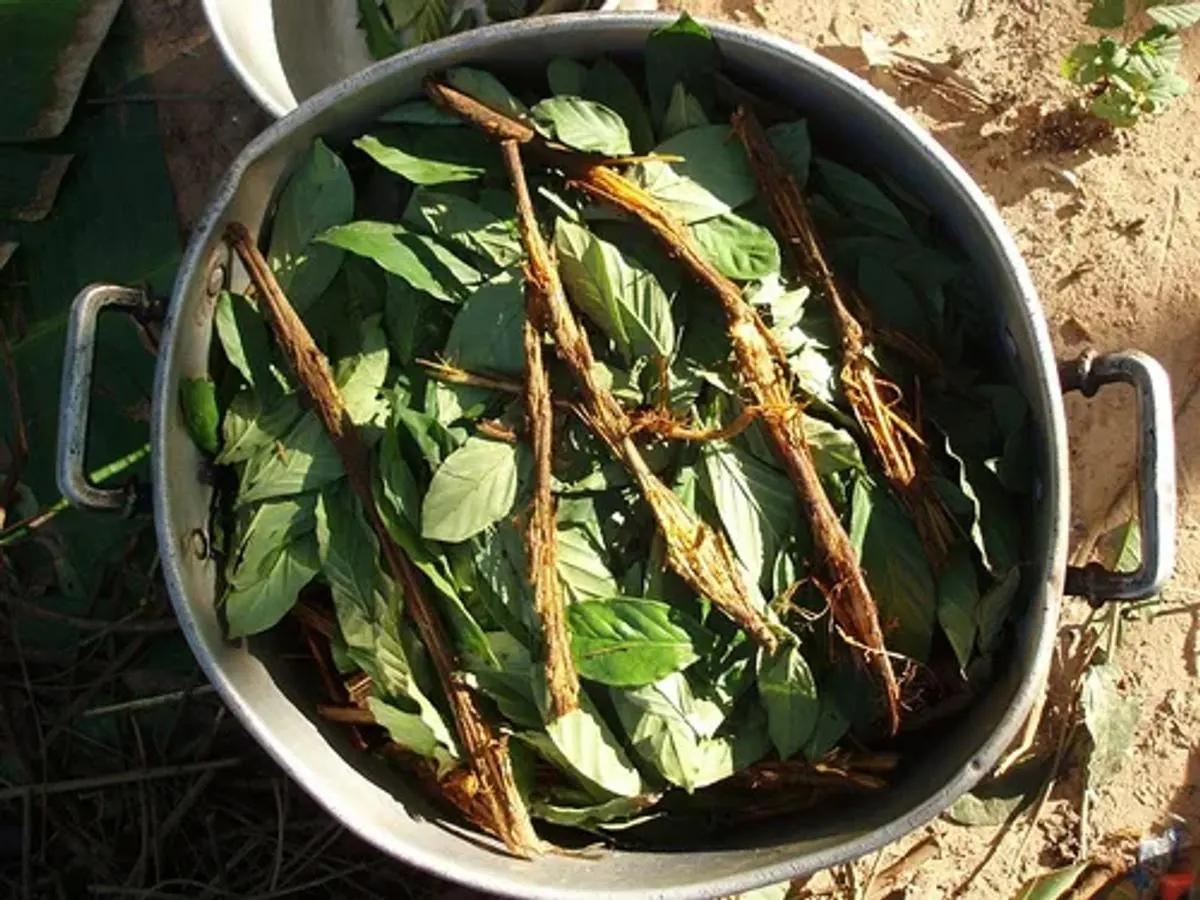
What it is
Ayahuasca is a brew traditionally prepared in the Amazon basin from the Banisteriopsis caapi vine together with the leaves of a second plant, most commonly Psychotria viridis. Neither ingredient does much on its own in this context; the combination is the point, and working that out is a piece of botanical knowledge Indigenous Amazonian peoples arrived at long ago and which Western pharmacology only later described in its own terms.
The name comes from Quechua. There is no single ayahuasca tradition. Practices, songs, preparation and the role of the person leading a ceremony vary widely between peoples and regions, and flattening that variety into one description is one of the ways outside accounts tend to go wrong.
Cultural context
Alongside Indigenous ceremonial use, ayahuasca is central to several syncretic religious movements that grew up in Brazil in the twentieth century, including Santo Daime and the União do Vegetal, where it is taken as a sacrament in a structured congregational setting. In some countries that religious use has explicit legal protection that recreational use does not.
Growing outside interest has brought money and travel into regions where the practice originated, and the people who live there do not agree about the consequences. That disagreement is worth reading about directly rather than through a summary like this one.
Risks worth knowing
The caapi vine contains monoamine oxidase inhibitors. That matters well beyond the experience itself: MAOIs interact with a long list of prescription medications (antidepressants among them) and with certain foods, and some of those interactions are dangerous rather than merely unpleasant. This is the single most important practical fact on this page.
- Physical effects commonly include nausea and vomiting, which are treated as part of the process in traditional settings.
- Cardiovascular conditions and a personal or family history of psychosis are both widely treated as contraindications.
- Settings vary enormously in competence, and outside established traditions there is no reliable accreditation to check.
This page is a description, not a recommendation and not a guide. It deliberately contains no information about sourcing, preparation or dose.
At a glance
- Also known as
- Yagé, caapi, la purga, daime
- Origin
- Amazon basin: Peru, Colombia, Ecuador, Brazil and neighbouring regions
- Prepared from
- Banisteriopsis caapi vine, usually with Psychotria viridis leaf
- Traditional context
- Indigenous ceremonial use, and sacramental use in Santo Daime and the União do Vegetal
- Typical setting
- A ceremony led by an experienced facilitator, usually overnight
- Key interaction
- MAOI content: serious interactions with many prescription medications and some foods
Also in plant medicine
-
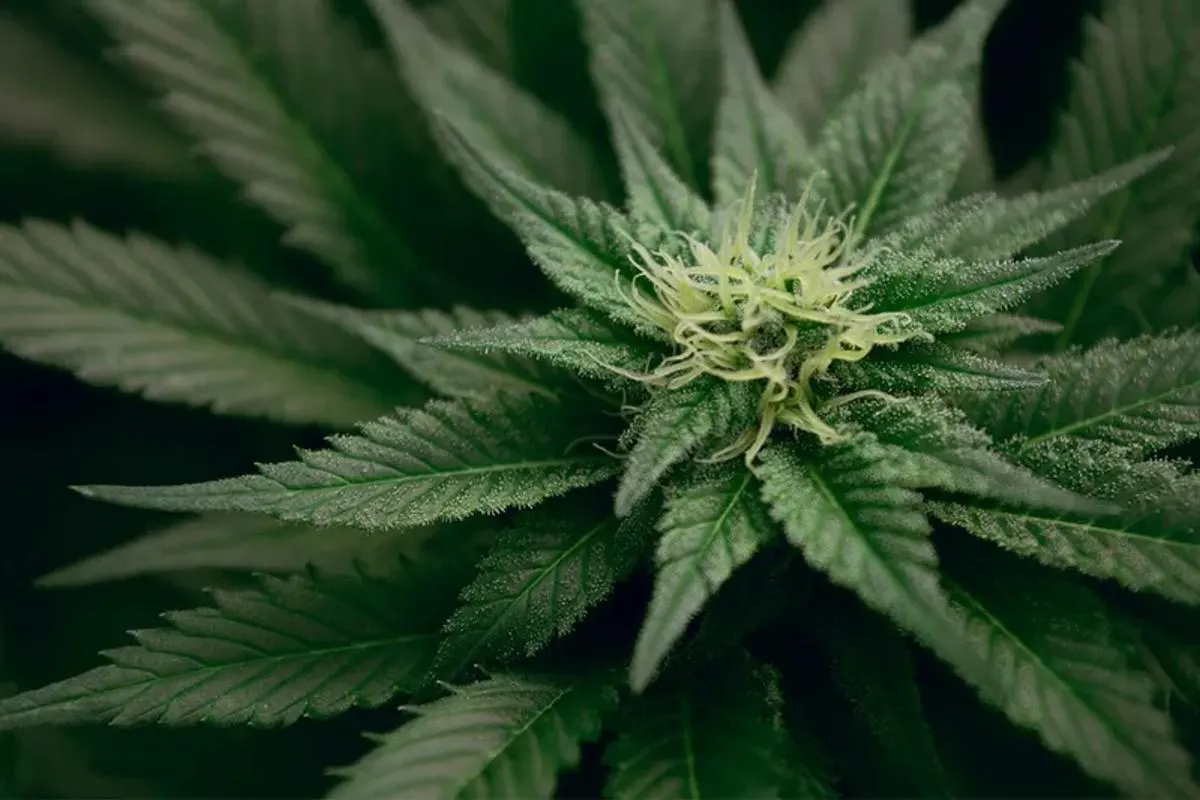
The most legally settled of these plants in Michigan.
-
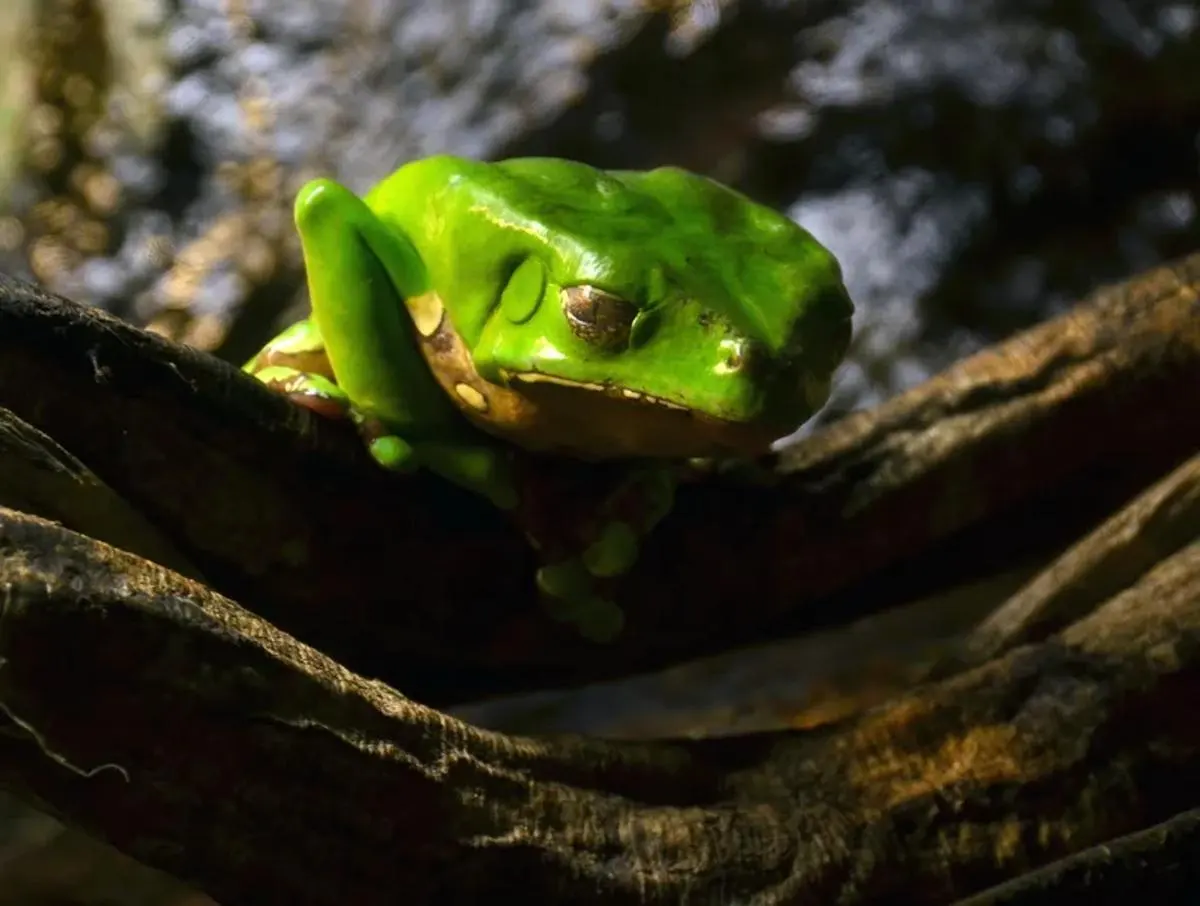
A frog secretion used in cleansing ritual, not a psychedelic.
-
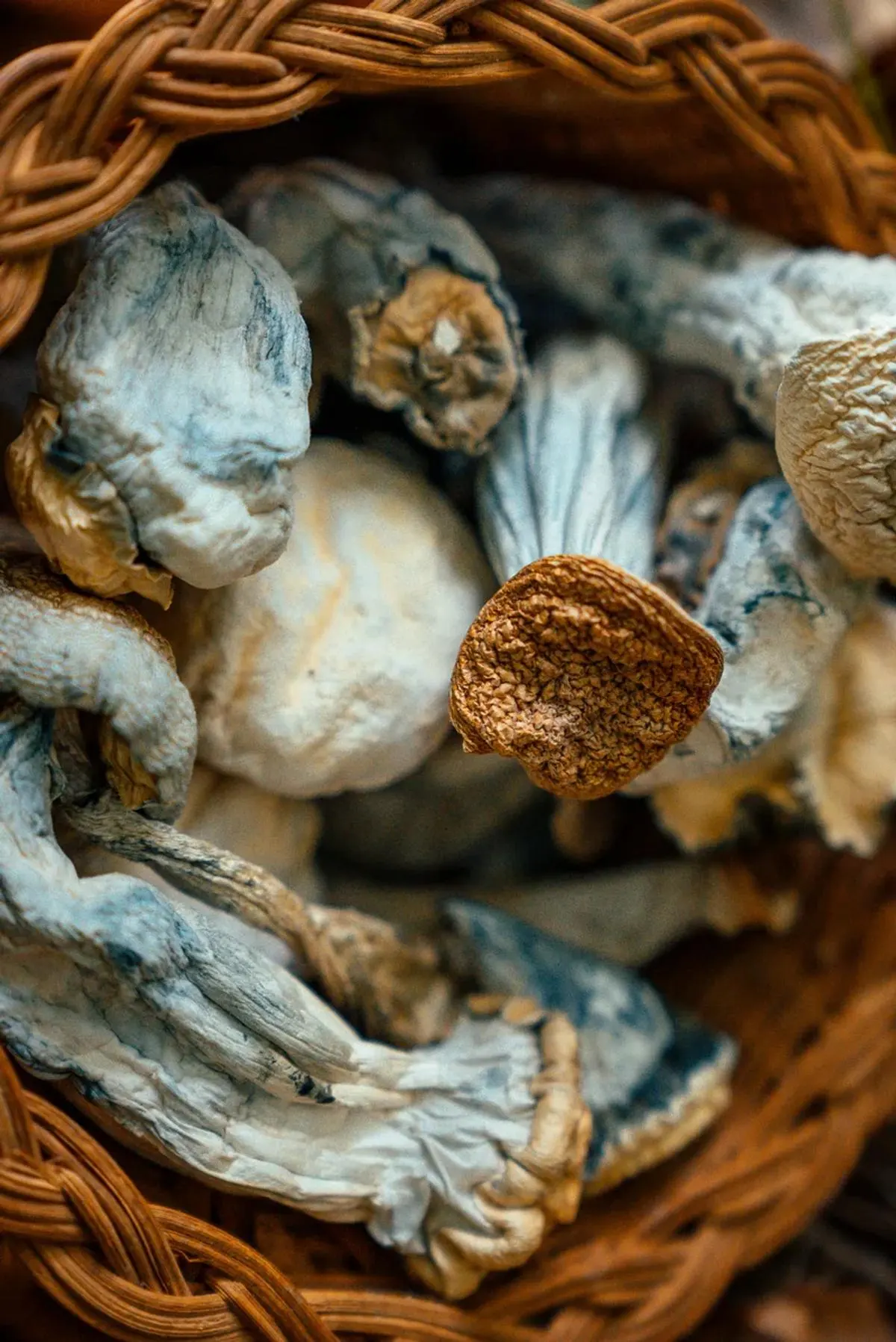
The fungus at the centre of most current research.
Questions about any of this?
Talk to someone in person
The organisations behind Entheofest work in Michigan all year. The festival is the easiest day to find them together.
How to get involved