Psilocybin
The compound in more than two hundred species of mushroom, in ceremonial use in Mesoamerica for centuries, and the subject of more current research than anything else on this list.
What it is
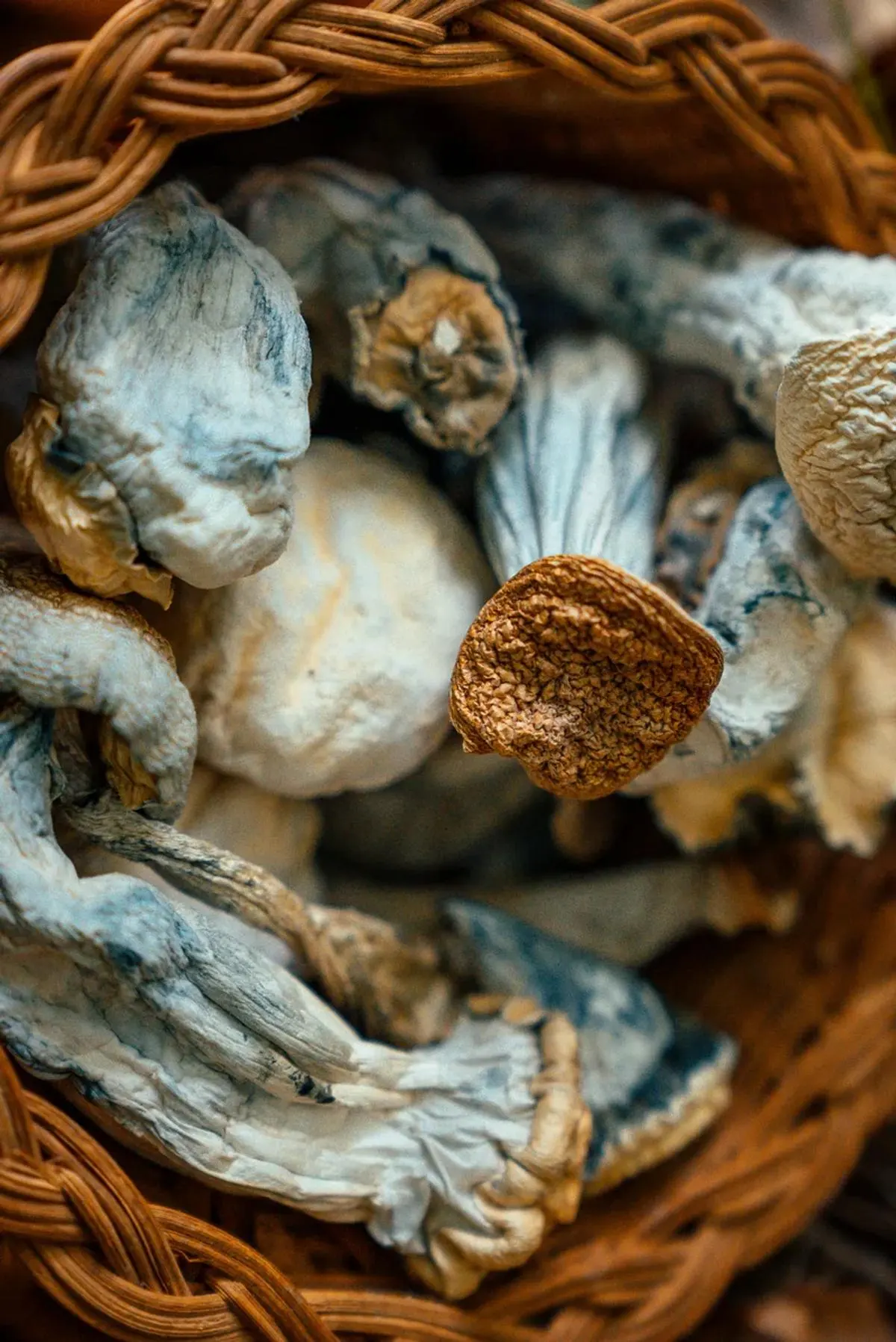
Psilocybin is a compound produced by more than two hundred species of mushroom, most of them in the genus Psilocybe. The body converts it to psilocin, and psilocin is what acts on the brain's serotonin receptors.
Cultural context
Mazatec communities in Oaxaca were using psilocybin mushrooms in healing ceremonies long before anyone outside documented it. In 1957 a Life magazine article by R. Gordon Wasson described one such ceremony, led by the Mazatec healer María Sabina, and the attention that followed damaged her standing in her own community.
It is a useful correction to any history of psychedelics that starts in a laboratory. The knowledge was not discovered in 1957. It was publicized, without much thought for the people it was taken from.
Where the research stands
Psilocybin has been Schedule I since the Controlled Substances Act took effect in 1971, a classification reserved for drugs with no accepted medical use and no accepted safety profile. Research stopped for roughly thirty years.
It restarted at Johns Hopkins in 2000. In 2018 the FDA granted psilocybin breakthrough therapy designation for treatment-resistant depression, and again in 2019 for major depressive disorder. That designation exists to speed up drugs the agency judges may be substantially better than what is already available. It is not approval, and it is not nothing.
Where Michigan stands
Ann Arbor City Council voted in September 2020 to make investigating and arresting adults over entheogenic plants and fungi the city's lowest law enforcement priority. Washtenaw County's prosecutor followed in January 2021. Detroit voters passed a similar measure in November 2021.
None of that is legalization. Psilocybin remains illegal under Michigan and federal law. What these measures change is what local police and prosecutors treat as worth their time, which is real and is not the same thing as a change in the law. We are careful about that distinction because it gets collapsed constantly, and usually by people arguing against us.
Risks worth knowing
Psilocybin has low physiological toxicity and is not considered addictive. Neither fact makes it safe for every person or in every setting.
- A personal or family history of psychosis or bipolar disorder is a widely recognized contraindication.
- Blood pressure and heart rate rise, which matters for some cardiovascular conditions.
- Difficult experiences are common enough that clinical trials build preparation and supervision around them rather than treating them as rare events.
- The largest practical danger has nothing to do with the compound. Wild mushrooms are misidentified regularly, and some of the species they are confused with cause organ failure.
This page is a description, not a recommendation and not a guide. It deliberately contains no information about sourcing, preparation or dosing.
At a glance
- Also known as
- Psilocybin mushrooms, magic mushrooms
- Found in
- More than two hundred mushroom species, most in the genus Psilocybe
- Active compounds
- Psilocybin, converted by the body into psilocin
- Traditional context
- Mesoamerican ceremonial use, documented among Mazatec communities in Oaxaca
- Federal status
- Schedule I since 1971
- In Michigan
- Lowest enforcement priority in Ann Arbor (2020) and Detroit (2021). Still illegal under state and federal law.
Also in plant medicine
-
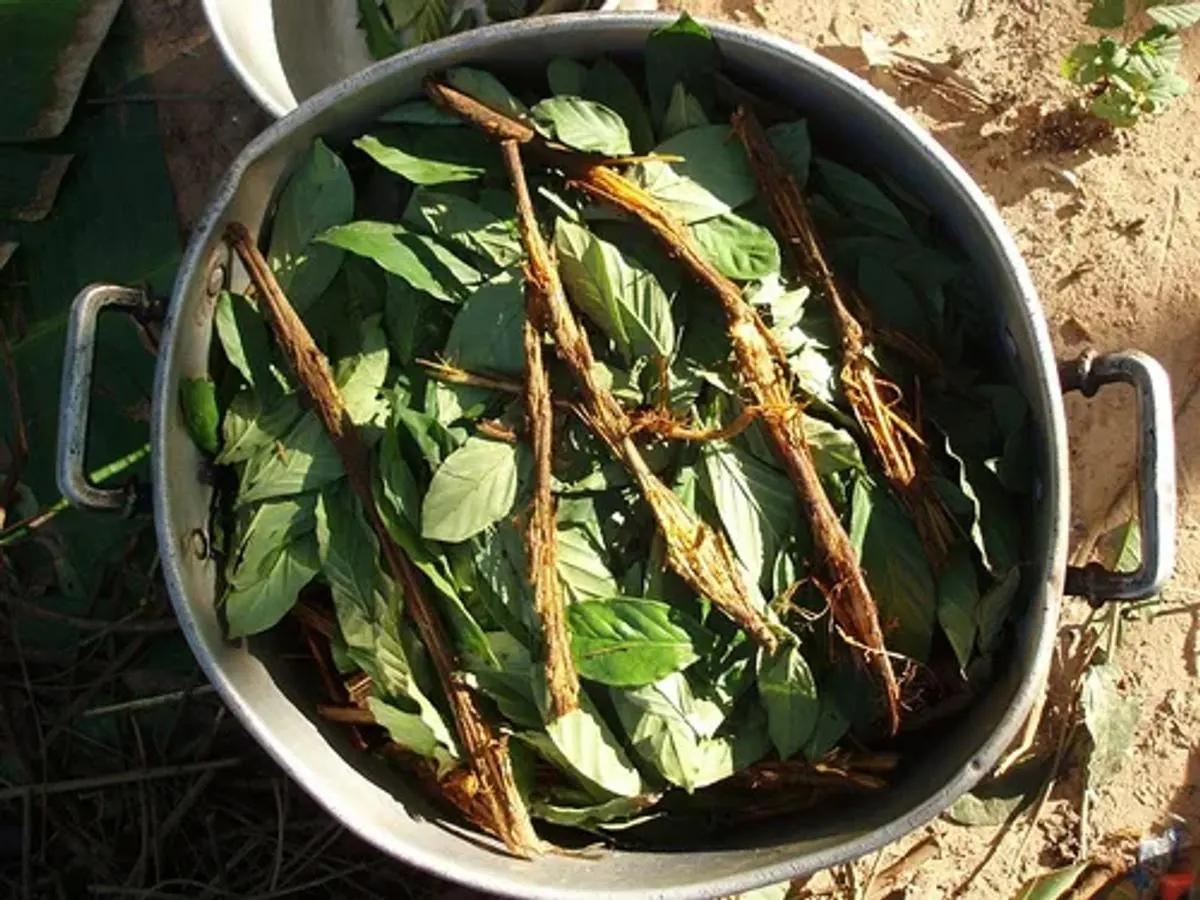
An Amazonian brew with centuries of ceremonial use, and a set of medication interactions that make preparation genuinely consequential.
-
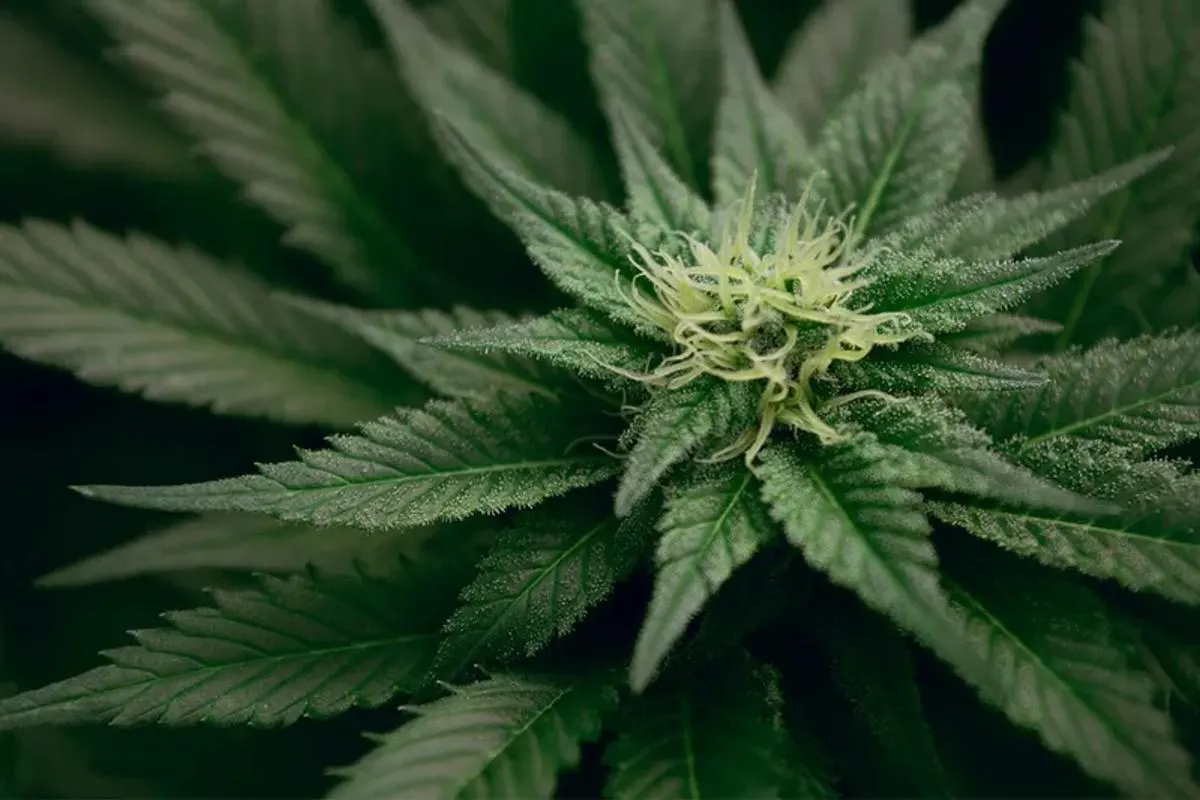
The most familiar plant on this list, the most legally settled in Michigan, and still the least consistently understood.
-
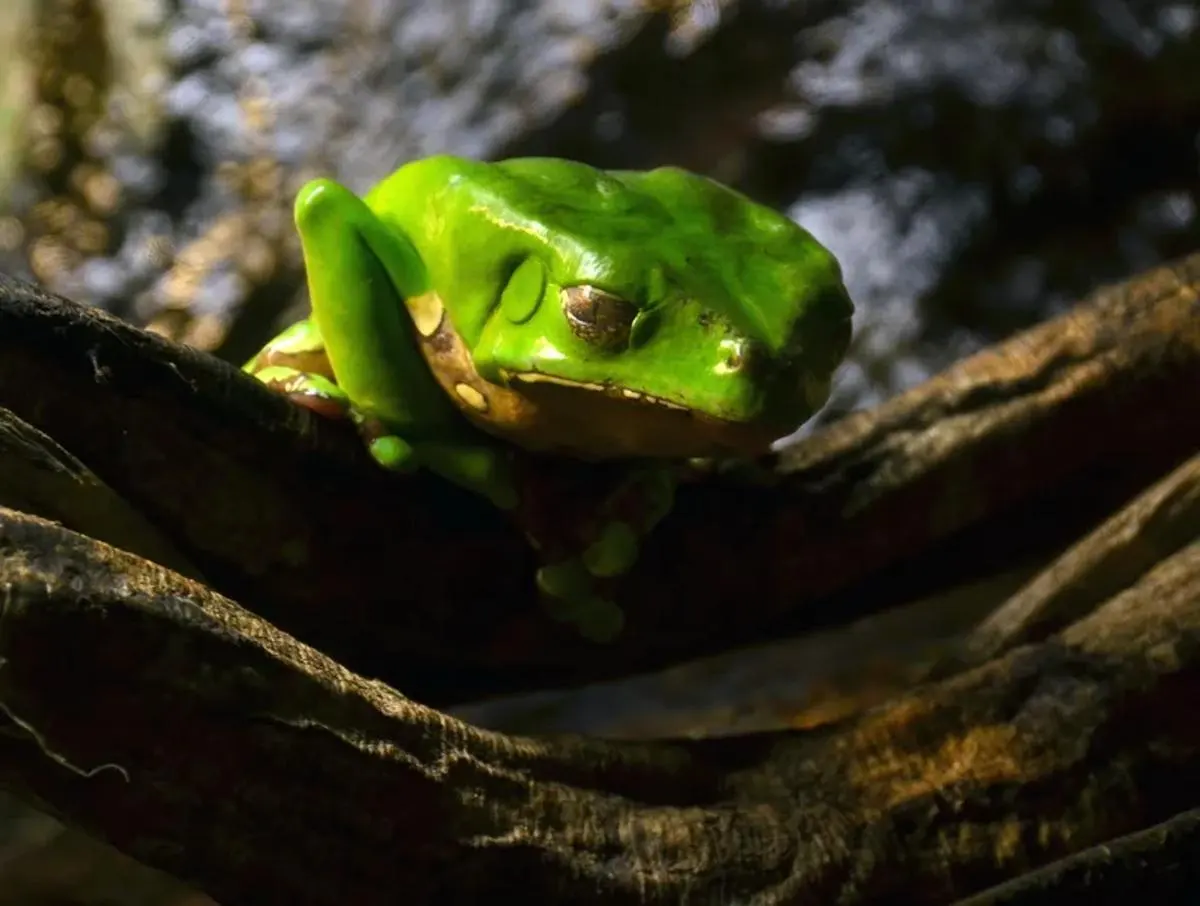
A secretion from a South American tree frog, used in cleansing rituals, and the one on this list most often confused with a psychedelic, which it is not.