Cannabis
The one plant on this list Michiganders can buy legally. That has been true since 2018, and it is still not true federally.
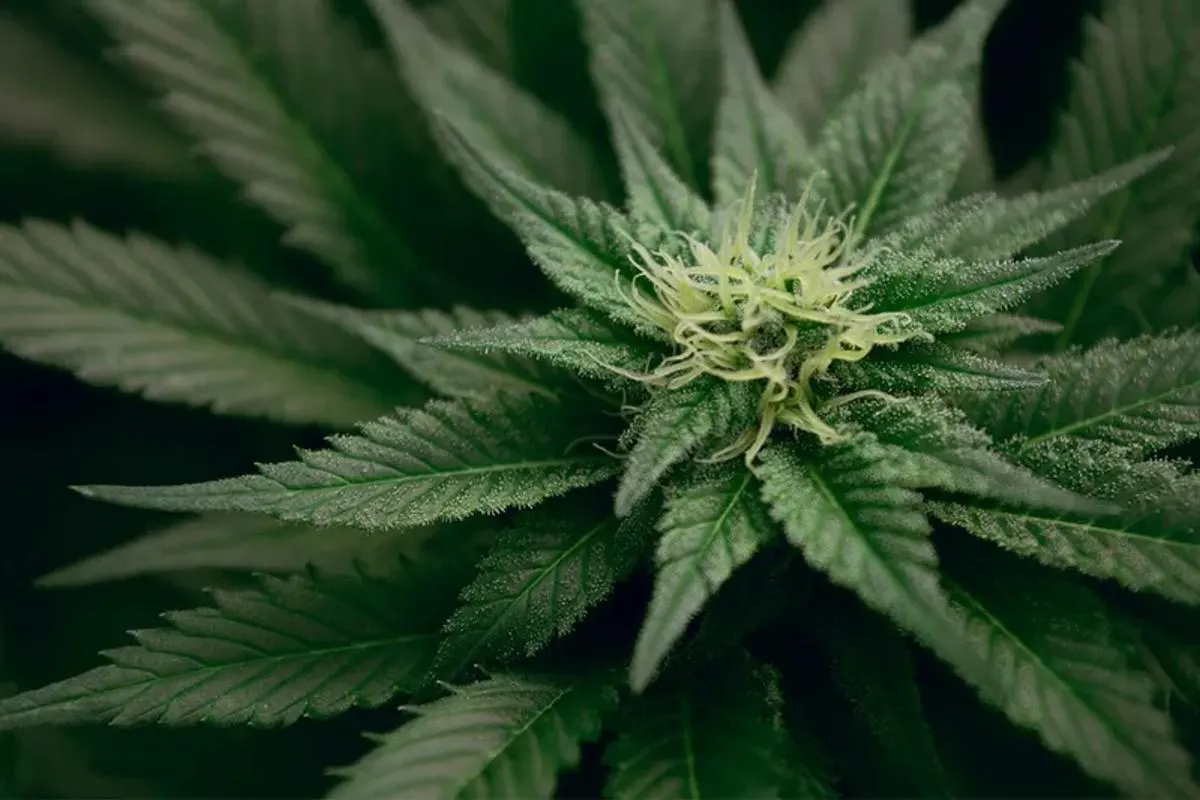
What it is
Cannabis is a flowering plant grown for fibre, seed and resin for thousands of years, with origins in Central and East Asia. It produces more than a hundred compounds called cannabinoids. Two of them are studied far more than the rest: THC, which causes intoxication, and CBD, which does not and which forms the basis of the only cannabis-derived drug the FDA has approved, a treatment for two rare seizure disorders.
That approval matters for a reason people often miss. It shows the question was never whether anything in this plant has medical value. It was which compound, for which condition, and at what dose.
Where Michigan stands
Michigan voters approved medical cannabis in 2008 and adult use in 2018. Anyone 21 or over can buy from a licensed retailer, and the state now has one of the largest legal markets in the country.
Federally, cannabis remains a controlled substance. That gap is why much of the industry still runs on cash, why banking and tax rules are what they are, and why researchers face a slower path to study a plant that millions of people buy over a counter.
Risks worth knowing
Legal does not mean harmless. Cannabis has the best documented risk profile of anything described on this site, and that is precisely because so many people use it.
- A minority of regular users develop cannabis use disorder. The risk is meaningfully higher for people who start in adolescence.
- Regular adolescent use is associated with lasting effects on attention and memory, during the years the brain is still developing.
- High-THC products carry a real risk of psychosis for people already predisposed to it, and modern products are far stronger than what was available a generation ago.
- Edibles can take two hours to take effect. That delay is how most people who take too much end up doing it.
- Driving is impaired for hours, and the impairment lasts longer than most people assume it does.
This page is a description, not a recommendation and not a guide. It deliberately contains no information about sourcing, preparation or dosing.
At a glance
- Also known as
- Marijuana, weed; hemp for low-THC varieties
- Origin
- Central and East Asia, cultivated for thousands of years
- Key compounds
- THC, which intoxicates, and CBD, which does not, among more than a hundred cannabinoids
- In Michigan
- Medical use approved by voters in 2008, adult use in 2018
- Legal age
- 21 and over, from a licensed retailer
- Federal status
- Still a controlled substance
Also in plant medicine
-
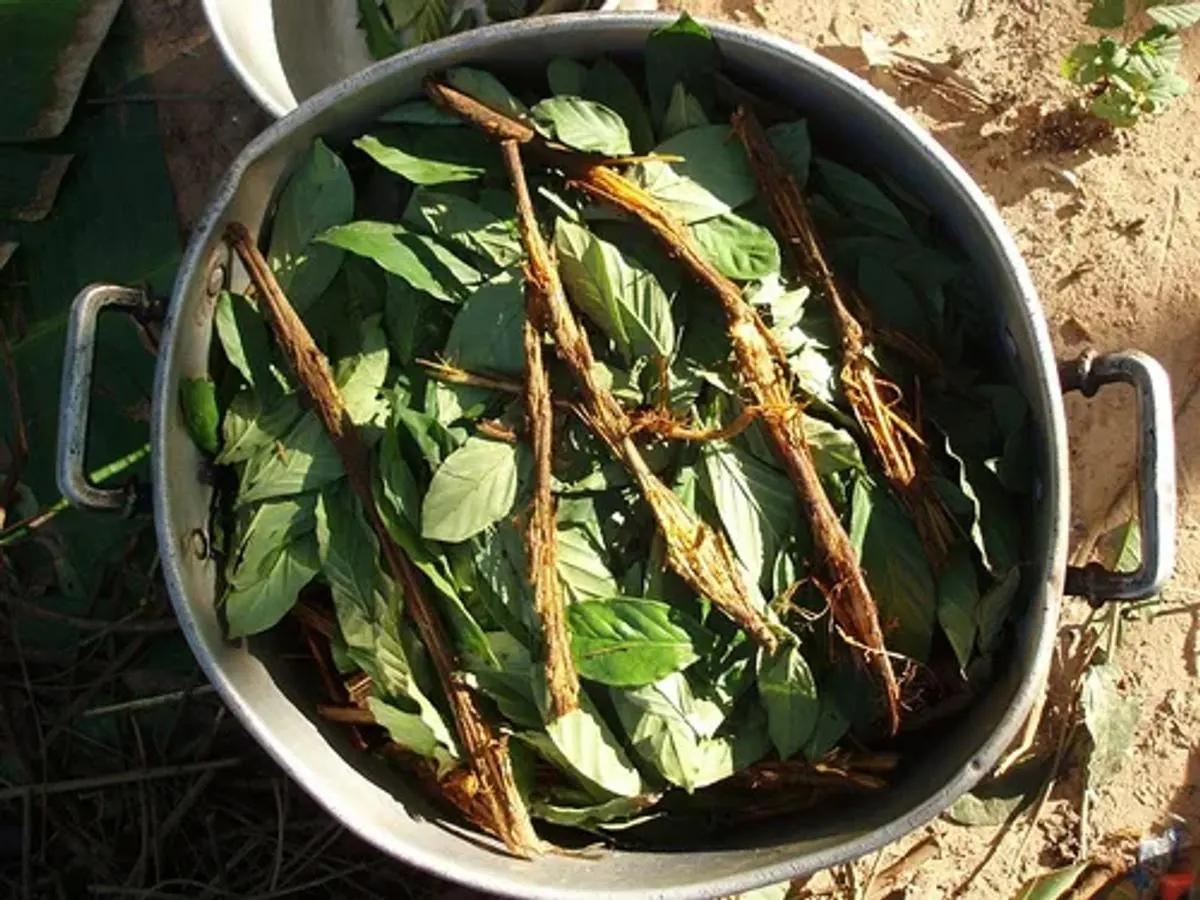
An Amazonian brew with centuries of ceremonial use, and a set of medication interactions that make preparation genuinely consequential.
-

A secretion from a South American tree frog, used in cleansing rituals, and the one on this list most often confused with a psychedelic, which it is not.
-
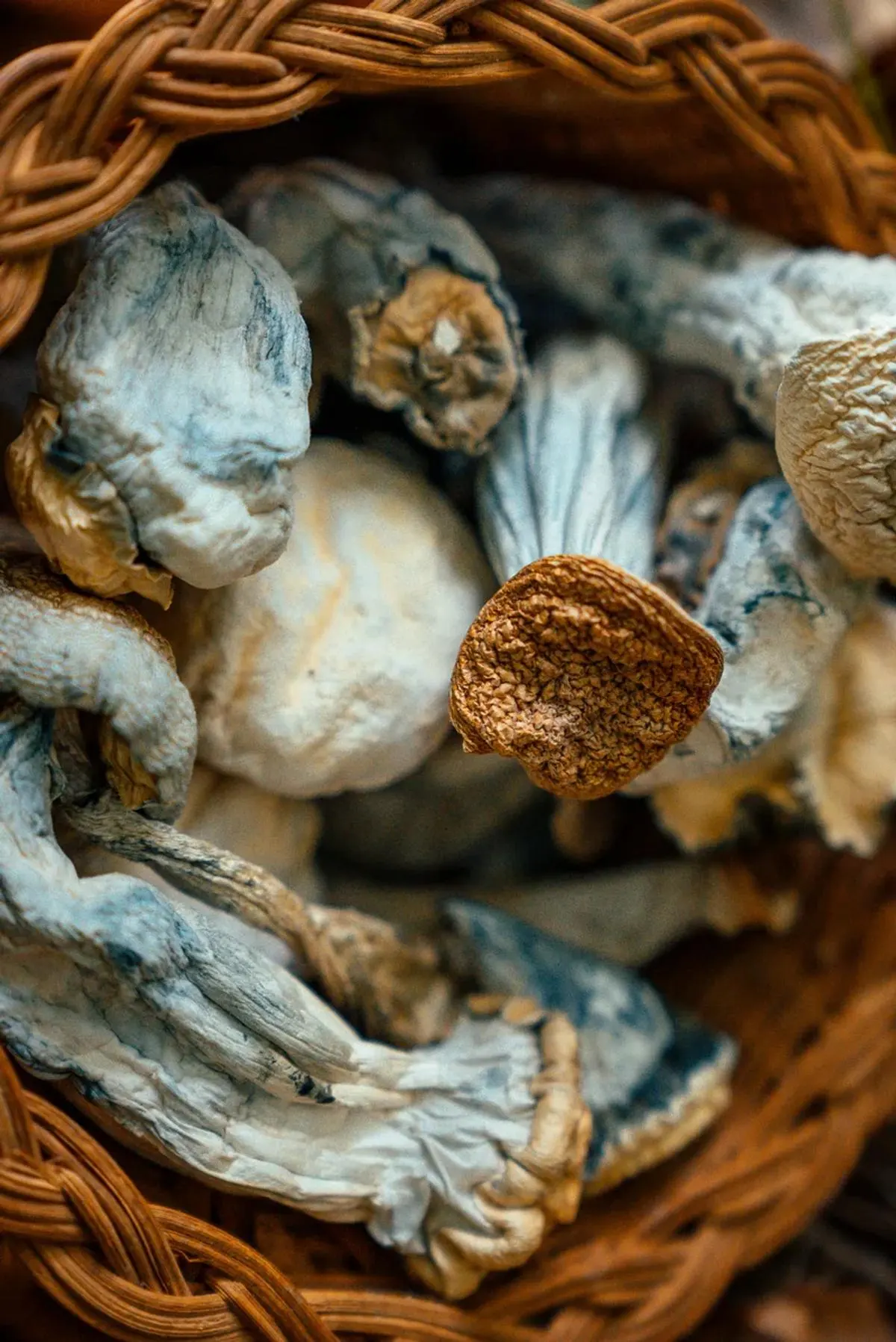
The fungus at the centre of most current research and most current legislation, in Michigan and elsewhere.